Access to healthcare should not depend on where a person lives or how much they earn. Yet for millions of people around the world, quality healthcare remains out of reach. In underserved communities, preventable illnesses continue to claim lives simply because basic medical services, health education, and early intervention are unavailable. Health-focused non-governmental organizations (NGOs) exist to close this gap, and at the center of their work lies one essential force: donations.
Donations are what turn compassion into action. They make it possible for healthcare outreach programs to reach remote communities, respond to urgent needs, and build long-term solutions that improve quality of life. For NGOs, donations are not just funding—they are partnerships that enable shared goals to become real outcomes. Through collective effort, lives are protected, communities are strengthened, and hope is restored.
How Donations Power Healthcare Outreach
Every healthcare outreach program depends on consistent and well-managed funding. Donations allow NGOs to plan, operate, and sustain initiatives that directly improve health outcomes. These funds support the people, tools, and systems needed to deliver care effectively and responsibly.
Donations help cover the cost of medical personnel, equipment, medications, transportation, and logistics required to run outreach programs. They also enable NGOs to adapt quickly to emerging health needs, whether responding to disease outbreaks, maternal health crises, or gaps in local healthcare systems.
Most importantly, donations give NGOs the flexibility to focus on people rather than profit. This allows healthcare decisions to be guided by need, not ability to pay.
Reaching Communities Through Mobile and Field-Based Care
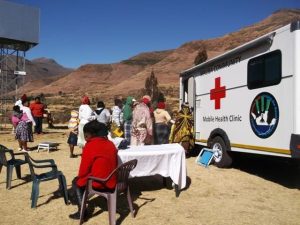
One of the most direct ways donations change lives is through mobile healthcare services. In areas without nearby health facilities, mobile clinics and outreach teams often serve as the only source of medical care.
With donor support, NGOs are able to send trained healthcare professionals into communities to provide consultations, basic treatment, referrals, and follow-up care. These services reduce travel burdens, lower costs for families, and ensure that healthcare is accessible to those who need it most.
For many individuals, a single outreach visit can mean the difference between early treatment and a medical emergency. Conditions such as hypertension, diabetes, infections, and pregnancy-related complications can be identified and managed before they become fatal. This is how donations translate directly into lives saved.
Preventive Care as a Life-Saving Investment
Healthcare outreach is not only about treatment—it is also about prevention. Donations allow NGOs to invest in health education programs that empower individuals and communities with knowledge.
Through community sessions, school programs, and household engagement, outreach teams educate people on hygiene, sanitation, nutrition, disease prevention, and healthy lifestyle practices. These efforts reduce the spread of infectious diseases and help communities adopt behaviors that protect long-term health.
Preventive care is one of the most effective uses of donor funding because it reduces future healthcare costs while improving quality of life. A community that understands how to prevent illness is better equipped to protect its most vulnerable members, especially children and the elderly.
Ensuring Access to Essential Medicines and Supplies
For many families, the cost of medication is a major barrier to healthcare. Even when diagnosis is possible, treatment may remain out of reach without financial support. Donations help NGOs procure and distribute essential medicines and medical supplies during outreach activities.
This access ensures that people receive complete care rather than partial solutions. Timely medication reduces complications, shortens recovery time, and prevents minor conditions from becoming life-threatening. For healthcare workers, having reliable supplies also improves the quality and safety of services provided.
Building Sustainable Community Health Systems
While outreach addresses immediate needs, long-term impact requires stronger local systems. Donations enable NGOs to invest in sustainability by training community health workers and supporting local healthcare facilities.
Community health workers often come from the communities they serve. With proper training and resources, they become trusted sources of care and information. They monitor health conditions, provide basic services, and guide individuals toward appropriate medical support when needed.
This approach ensures that progress continues beyond individual outreach events. It strengthens local capacity and reduces dependence on external support over time.
The Role of Collective Effort
Healthcare outreach succeeds when donors, sponsors, volunteers, healthcare professionals, and communities work together. Donations represent more than financial support—they represent shared responsibility and collective action.
Sponsors provide stability that allows NGOs to plan long-term programs. Individual donors help meet urgent needs and expand reach. Volunteers contribute time, skills, and compassion, strengthening relationships between NGOs and communities.
This collective effort creates trust, which is essential for effective healthcare delivery. When communities trust outreach teams, they are more likely to seek care early, follow medical advice, and participate in preventive programs.
Real Lives, Real Impact
The true impact of donations is seen in everyday outcomes: a child recovering from illness, a mother receiving safe care, a family learning how to protect their health. These changes may not always make headlines, but they define meaningful progress.
Healthcare outreach supported by donations reduces suffering, prevents loss, and restores dignity. It gives people the chance to live healthier, more productive lives and to contribute positively to their communities.
Transparency and Responsible Use of Donations
Health-focused NGOs recognize that trust is essential. Donations are managed with accountability through careful planning, monitoring, and reporting. Clear communication ensures that donors understand how funds are used and what impact they create.
This transparency strengthens partnerships and ensures that collective efforts remain focused on shared goals.
A Shared Commitment to Saving Lives
Healthcare outreach is not a short-term solution—it is an ongoing commitment. As health challenges evolve, the need for sustained support remains critical. Donations make it possible for NGOs to continue reaching underserved populations, responding to emergencies, and building healthier communities.
By supporting healthcare outreach, donors and partners become part of a collective mission to save lives and create lasting change. Together, through shared effort and continued generosity, healthcare becomes more accessible, communities become stronger, and lives are protected.
This is the power of donations. This is how collective action changes lives.